
Build a shared vocabulary from business entities
Identify the core entities, such as orders, customers, contracts and equipment, then map their relationships. For each entity, document what it represents, who maintains it, how to identify a unique instance and when it changes in the business process.
Give each metric a readable definition
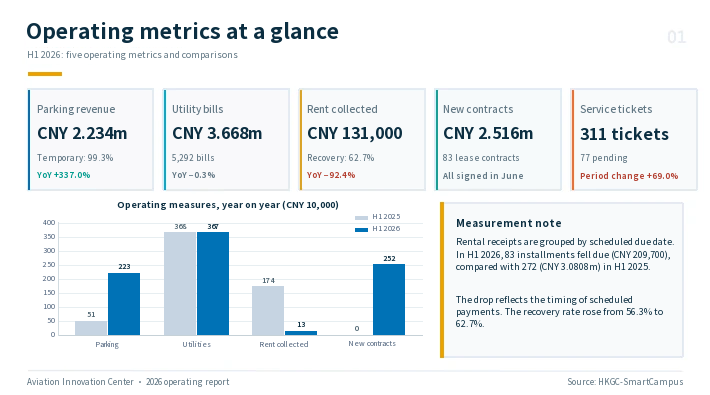
A metric that others can reproduce needs a name, meaning, reporting period, unit, filters and source. For a collection rate, specify the numerator, denominator and which payments were due. A percentage alone cannot explain a discrepancy with another report.
- Confirm calculation rules and exceptions.
- Name the business owner and the intended scope of use.
- Keep a comparison of definitions before and after each change.
Verify relationships before joining systems
One customer may have different identifiers in different systems, and a one-to-many join can inflate totals. Check mapping rules, duplicate records and missing links before analyzing across sources so the relationships themselves can be verified.
Review and revise definitions as the business changes
Start with a few important metrics and have business and technical owners check examples together. Use agreed definitions for regular analysis and state the scope of definitions still under discussion. Revisit each metric when the business changes so an old rule does not silently distort a new result.